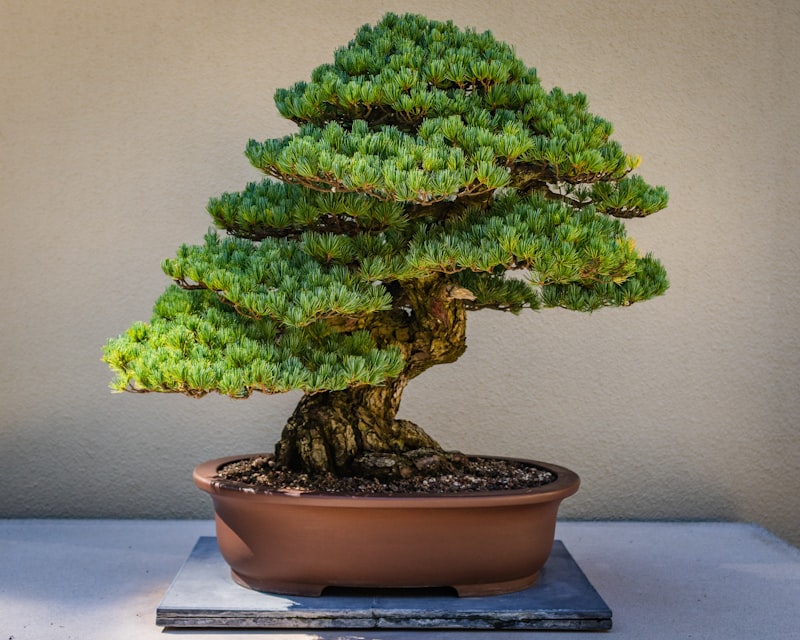
How long does it take to develop an oak bonsai?
From pre-bonsai stock, plan on 5-10 years of active development to reach a refined, "finished" look. From seed, add another 3-5 years for trunk development. But bonsai is never truly finished — ongoing refinement is part of the practice. The joy is in the process, and oaks reward patience with bark character and ramification that improve every year.
Can I keep an oak bonsai indoors?
No. Oaks are outdoor trees that require full seasonal exposure, including winter dormancy. They will decline and eventually die indoors. Keep them outside year-round, with root protection during the coldest months.
When should I move my oak into a bonsai pot?
Only after the trunk has reached your desired thickness and the primary branch structure is established. For most growers, this means 5-8+ years of development in a grow pot or the ground. The bonsai pot is a refinement tool — it slows growth and maintains size. Moving to a bonsai pot too early permanently limits how thick the trunk will get.
What tools do I need?
Start with a concave branch cutter (makes clean, healing cuts), sharp pruning shears, aluminum bonsai wire in 1mm, 1.5mm, and 2.5mm sizes, wire cutters, a root hook or chopstick for repotting, and cut paste for sealing wounds. These basics cover 90% of oak bonsai work.
Do I need to worry about oak wilt?
Yes, especially if you're in the Midwest or Great Lakes region where oak wilt is endemic. The sap beetles that transmit the fungus are active from April through July — basically any time it's warm enough for insects to be out. Do your major pruning in the dead of winter when temperatures are well below freezing and nothing is flying. Winter cuts don't need sealing and heal cleanly on their own. If you must prune during the warm months, seal every cut within minutes using cut paste. Always sterilize tools with rubbing alcohol between trees.