Wild-Collected Pre-Bonsai Oaks & Character Stock
Native oaks collected from our private Michigan woodland with natural trunk movement, taper, and years of authentic character you can't replicate in a nursery. Each tree is one-of-a-kind with documented provenance and verified genetics.
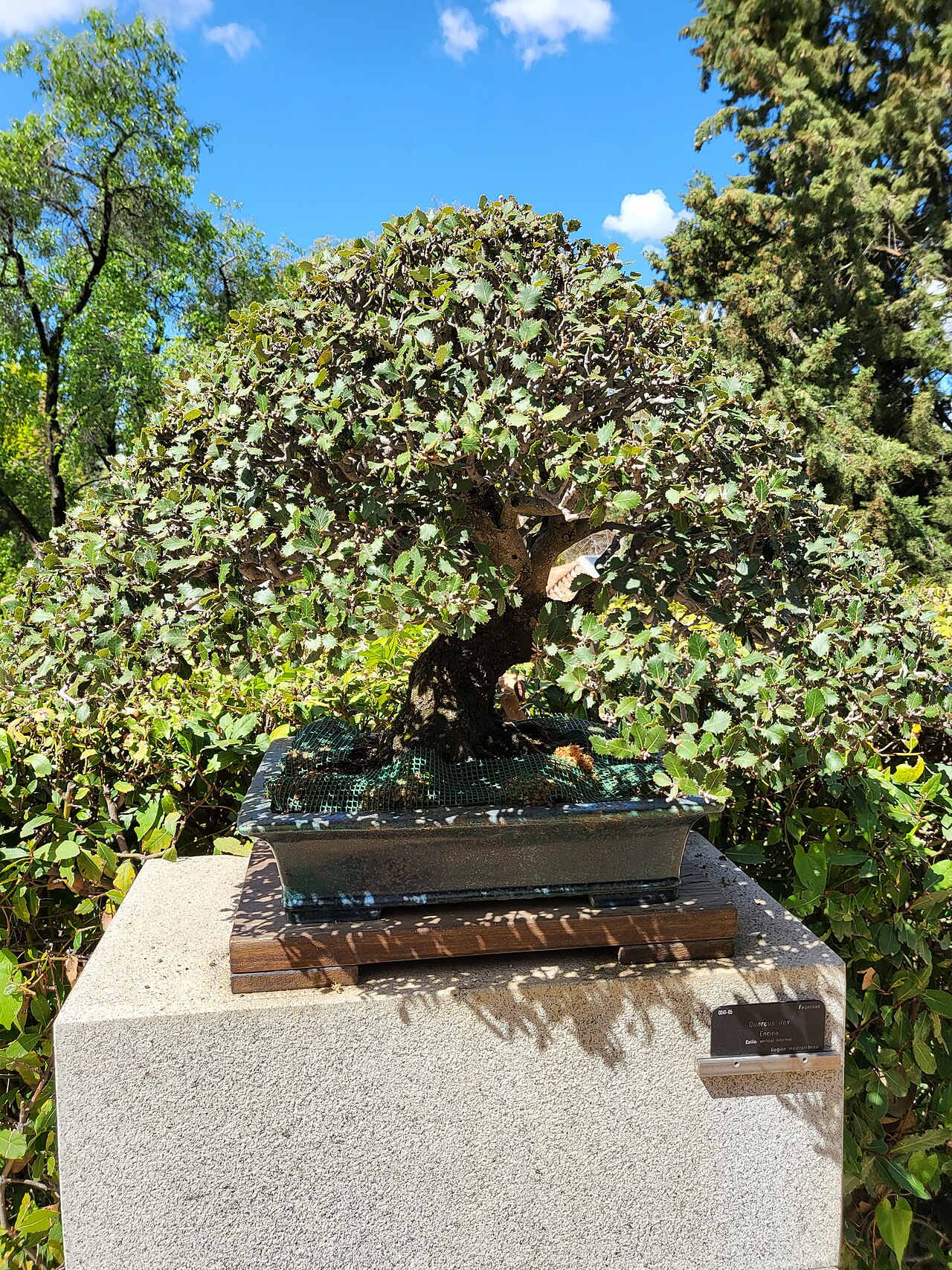
Available Now — Field-Collected Red Oaks
Each tree is a unique specimen collected from our private Michigan woodland. All are field-collected Quercus rubra (Red Oak) with 2–5 years of natural growth, established trunks, and root systems ready for bonsai development.
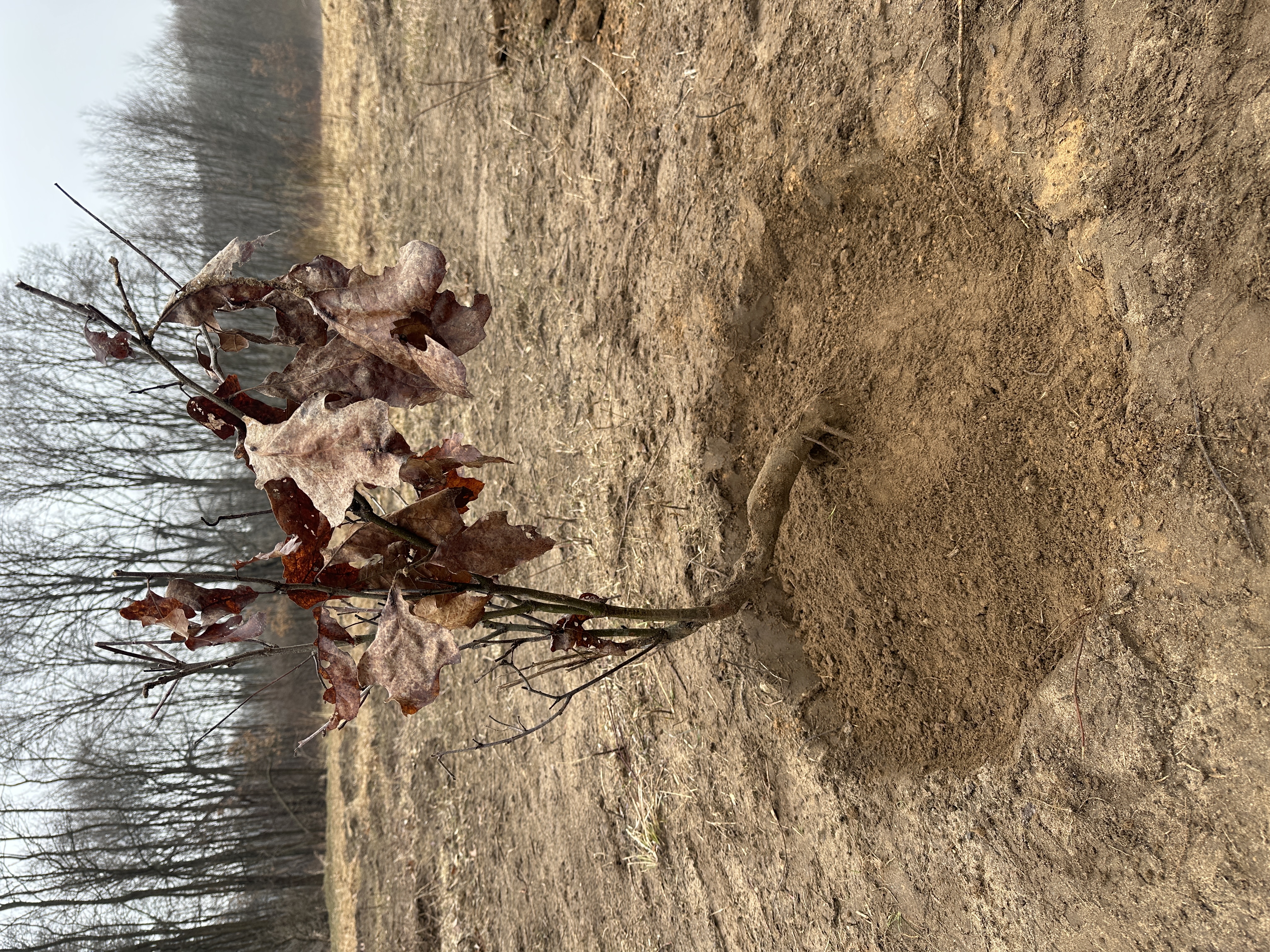
Red Oak (Quercus rubra)
$320
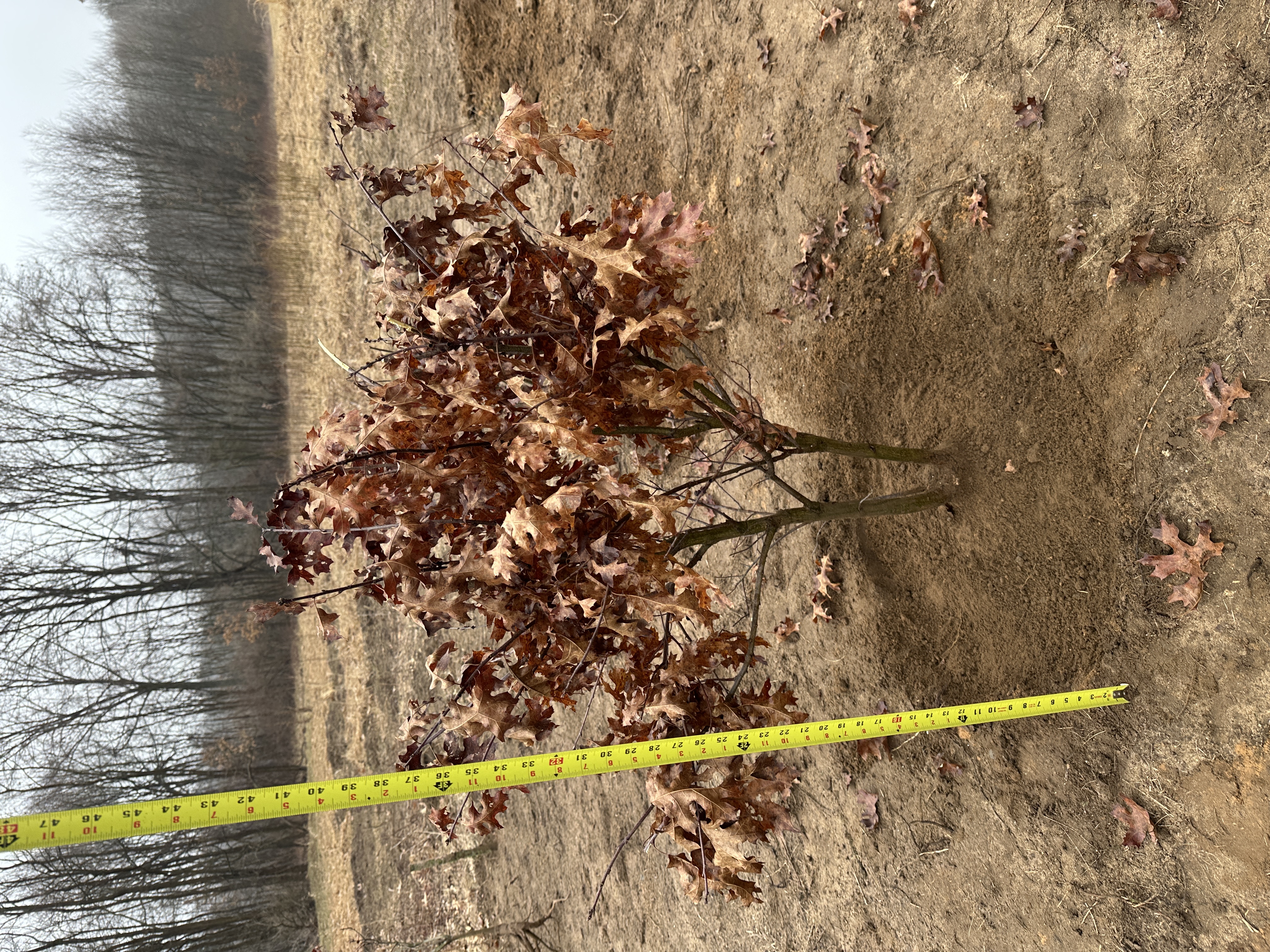
Red Oak (Quercus rubra)
$450
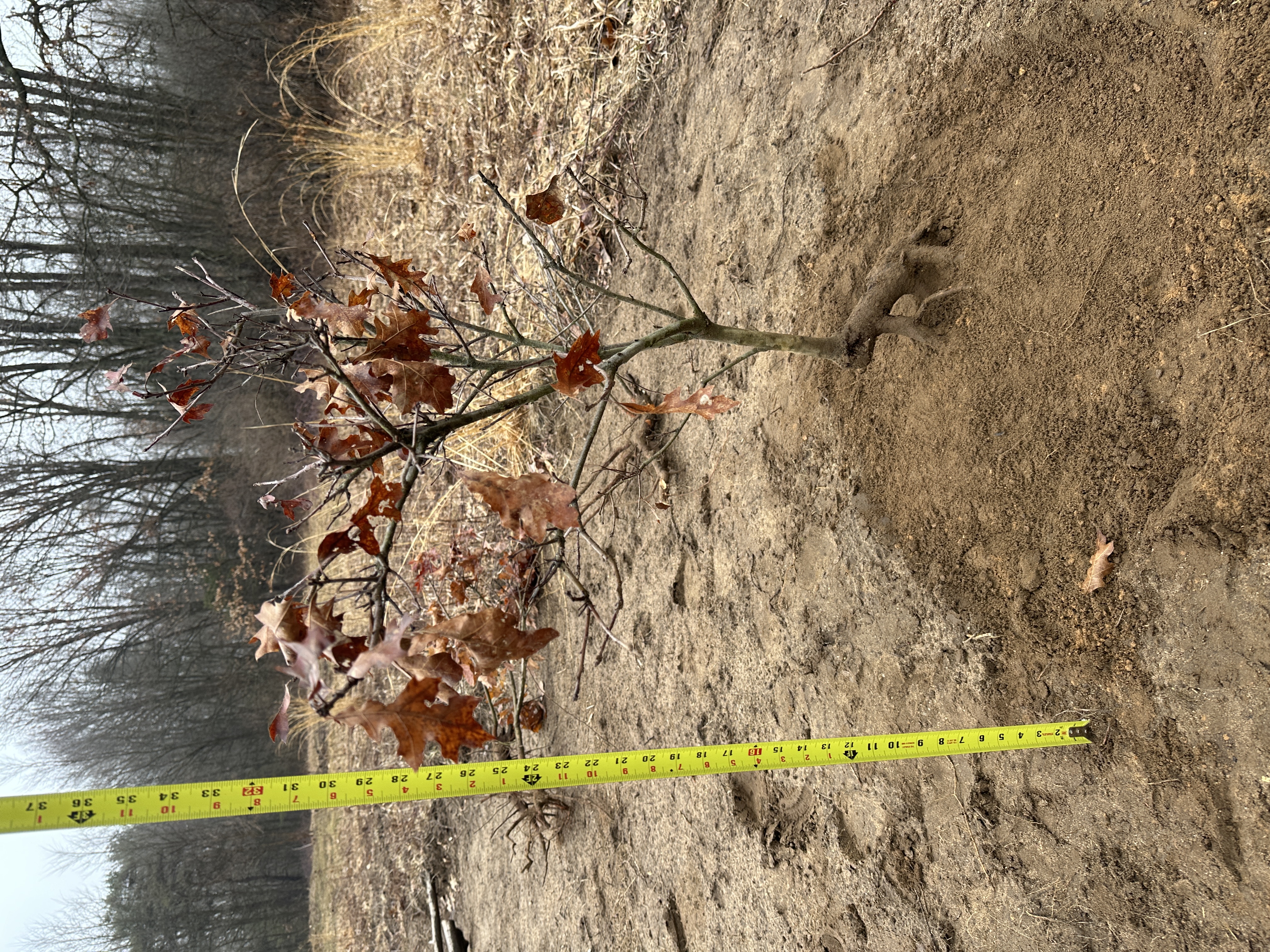
Red Oak (Quercus rubra)
$310
Red Oak (Quercus rubra)
$150
Red Oak (Quercus rubra)
$95
 1 / 2
1 / 2
Red Oak (Quercus rubra)
Wild-collected Red Oak (Quercus rubra) from our private Michigan woodland. Completely unstyled — no wire, no cuts, no pot. A blank canvas with years of natural trunk character already built in. Ships bare-root with damp sphagnum.
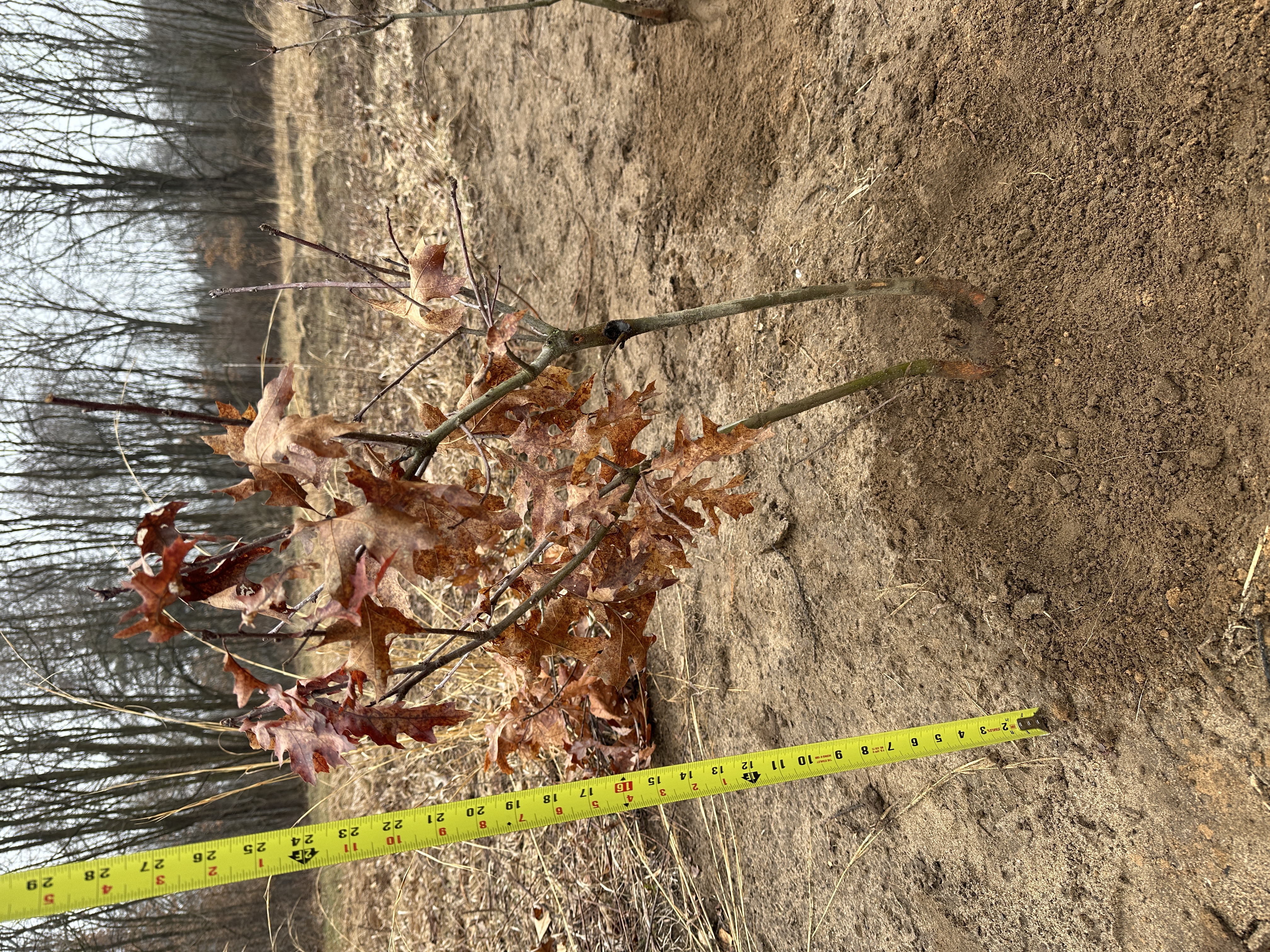
Good low branching with multiple leader options. Well-developed root spread visible at the base. Retained fall foliage shows vigorous health. Solid starter for informal upright or slanting styles.
These trees have spent years growing in open field conditions where wind, competition, and ongoing land management have produced trunks with natural movement, taper, and character that takes years to replicate. Each tree is a unique, one-of-a-kind specimen — what you see in the photos is exactly what you receive.
$320 + shipping · bare-root · US only
Pricing & shipping details coming soon. Contact us for availability.
Red Oak (Quercus rubra)
Wild-collected Red Oak (Quercus rubra) from our private Michigan woodland. Completely unstyled — no wire, no cuts, no pot. A blank canvas with years of natural trunk character already built in. Ships bare-root with damp sphagnum.
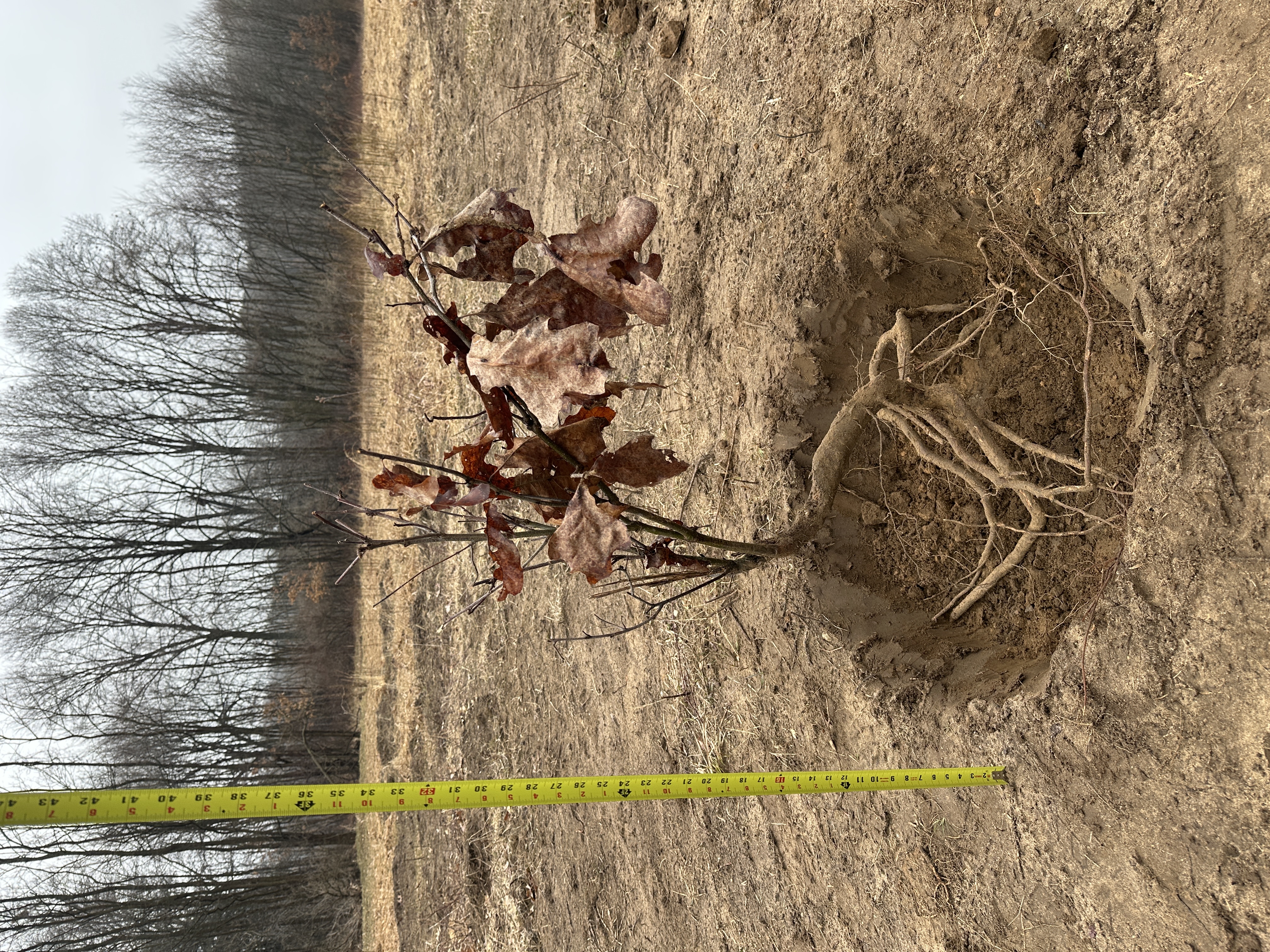
The standout of this collection. Thickest trunk with an interesting fork near the base — could be developed as a twin-trunk or kept as a single leader with a dramatic base flare. Very full canopy with dense branching.
These trees have spent years growing in open field conditions where wind, competition, and ongoing land management have produced trunks with natural movement, taper, and character that takes years to replicate. Each tree is a unique, one-of-a-kind specimen — what you see in the photos is exactly what you receive.
$450 + shipping · bare-root · US only
Pricing & shipping details coming soon. Contact us for availability.
 1 / 2
1 / 2
Red Oak (Quercus rubra)
Wild-collected Red Oak (Quercus rubra) from our private Michigan woodland. Completely unstyled — no wire, no cuts, no pot. A blank canvas with years of natural trunk character already built in. Ships bare-root with damp sphagnum.
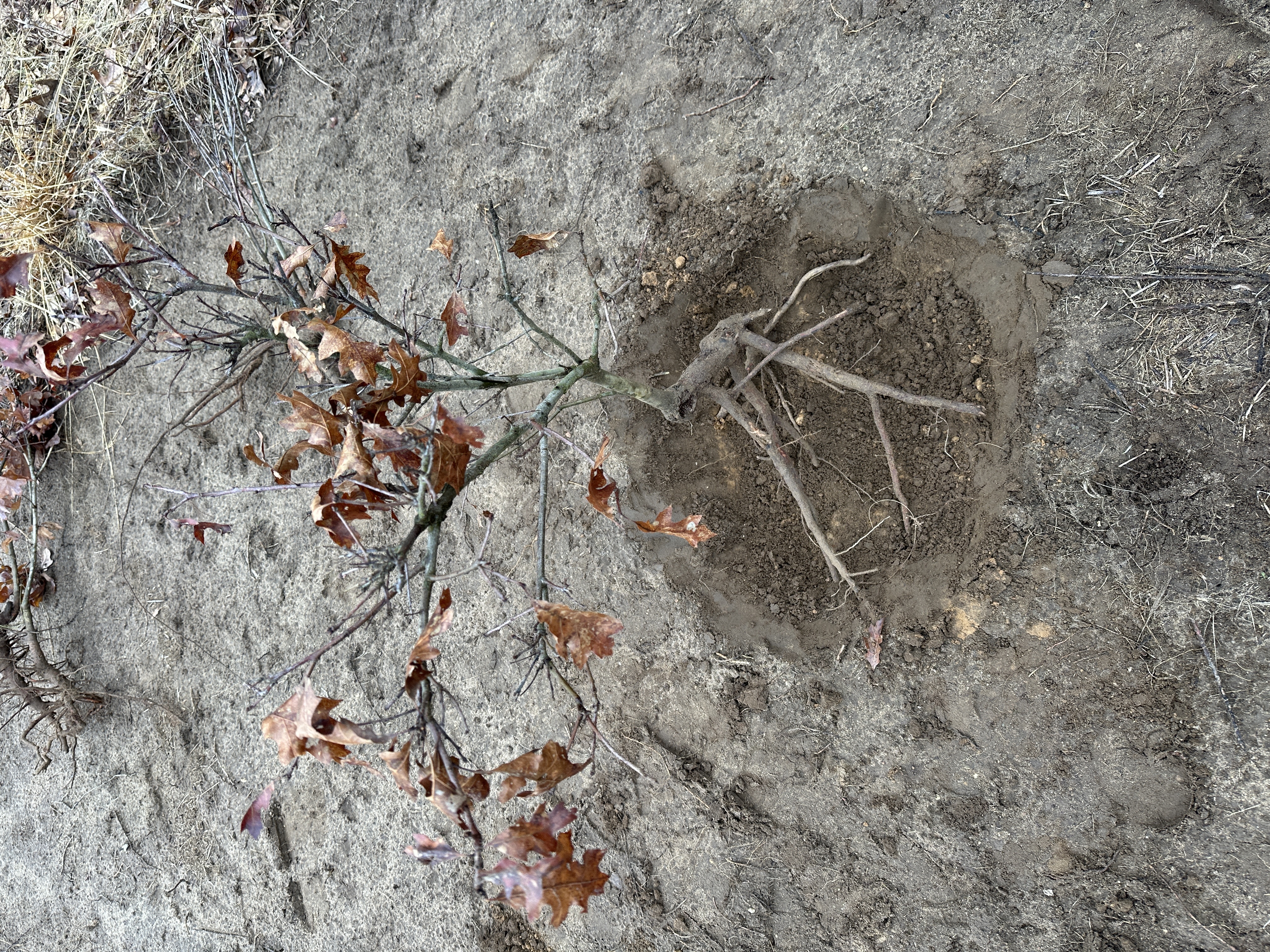
Interesting split-trunk character with natural movement. Root photo shows good radial root development already forming — excellent foundation for future nebari. Multiple styling options from the fork.
These trees have spent years growing in open field conditions where wind, competition, and ongoing land management have produced trunks with natural movement, taper, and character that takes years to replicate. Each tree is a unique, one-of-a-kind specimen — what you see in the photos is exactly what you receive.
$310 + shipping · bare-root · US only
Pricing & shipping details coming soon. Contact us for availability.
 1 / 2
1 / 2
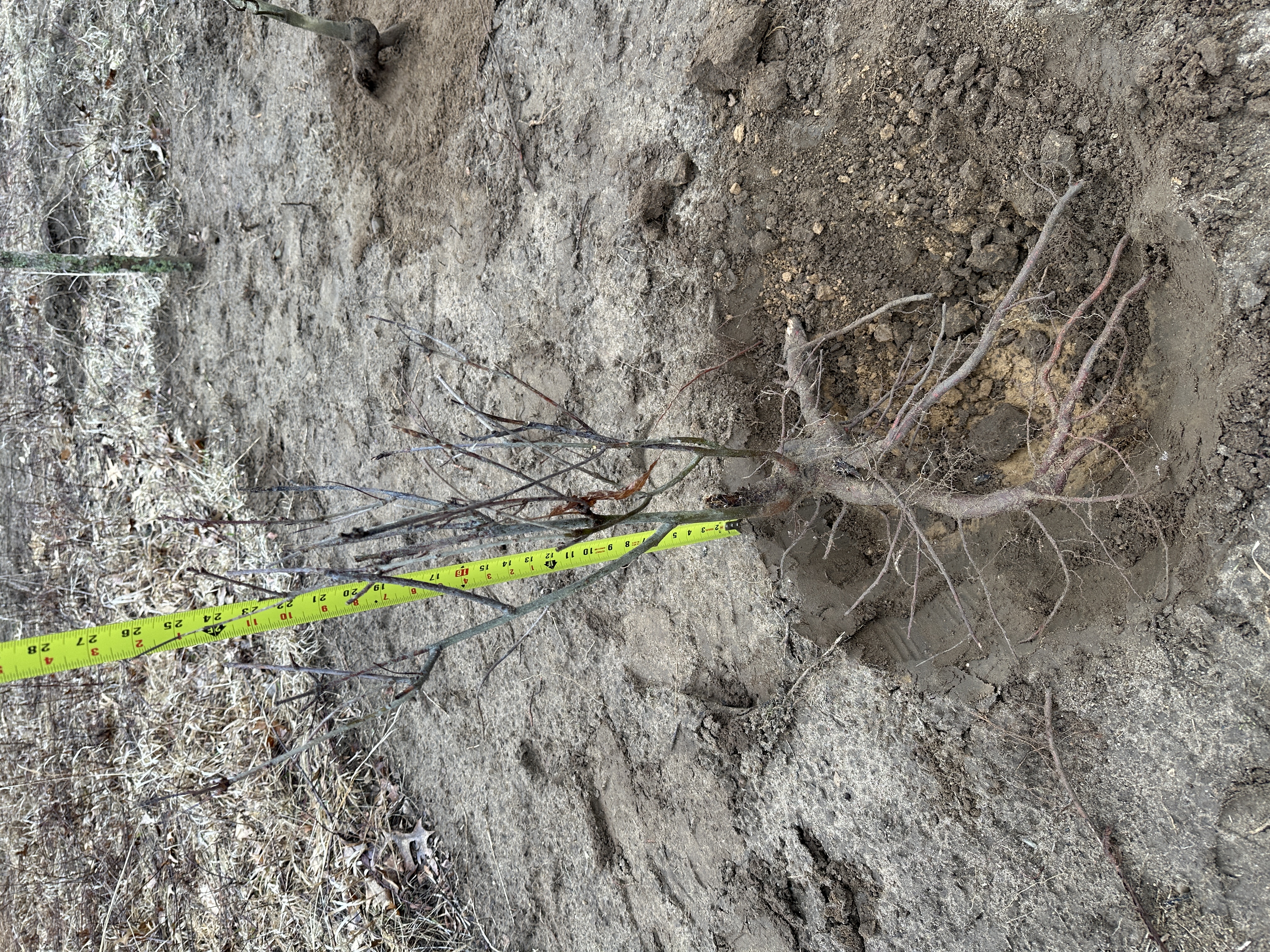
Red Oak (Quercus rubra)
Wild-collected Red Oak (Quercus rubra) from our private Michigan woodland. Completely unstyled — no wire, no cuts, no pot. A blank canvas with years of natural trunk character already built in. Ships bare-root with damp sphagnum.
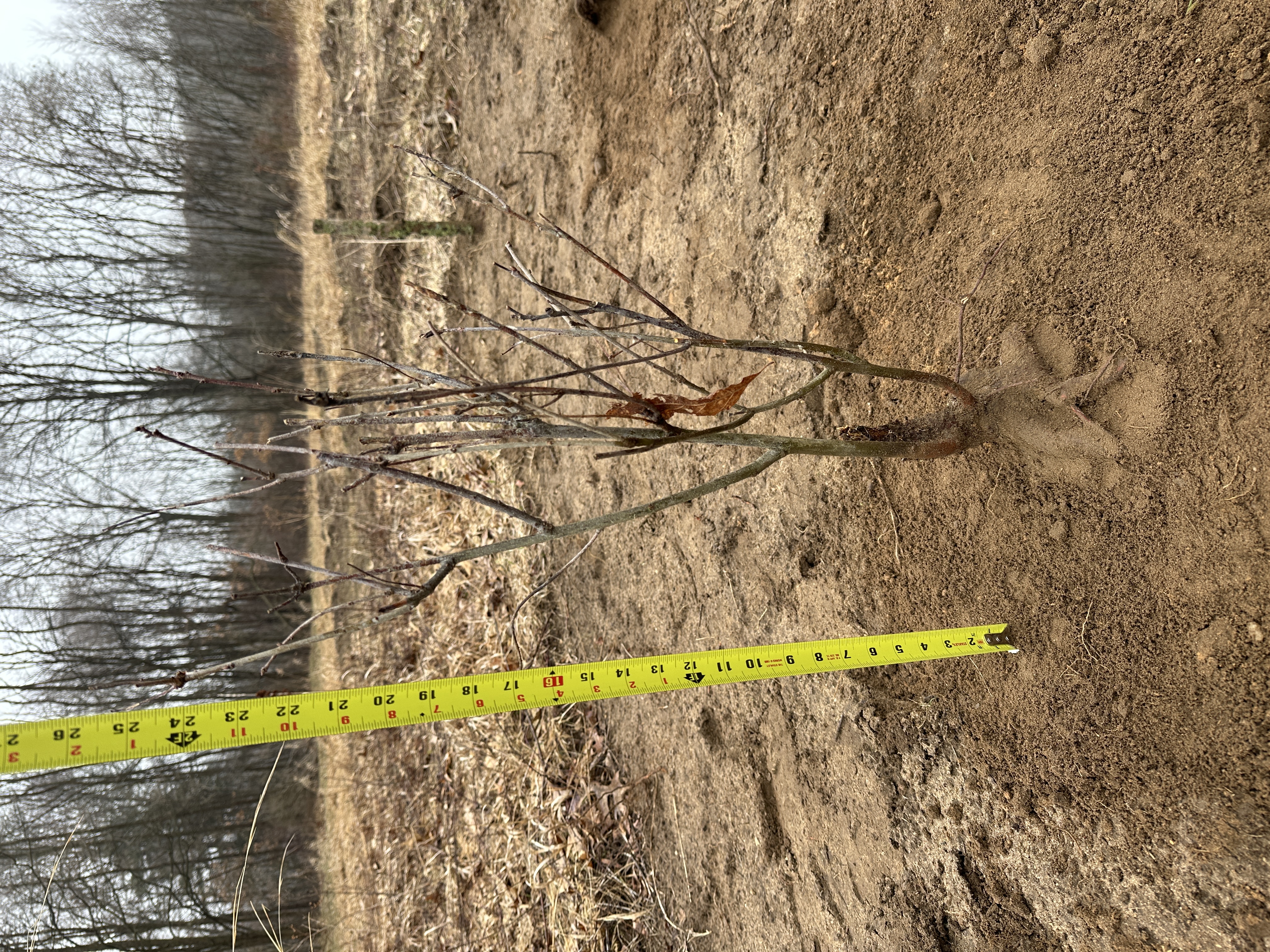
The most compact specimen in this batch. Younger with a thinner trunk, but already showing natural character and fine branching structure. Great entry point for someone who wants to grow alongside their tree from an earlier stage.
These trees have spent years growing in open field conditions where wind, competition, and ongoing land management have produced trunks with natural movement, taper, and character that takes years to replicate. Each tree is a unique, one-of-a-kind specimen — what you see in the photos is exactly what you receive.
$150 + shipping · bare-root · US only
Pricing & shipping details coming soon. Contact us for availability.
 1 / 2
1 / 2
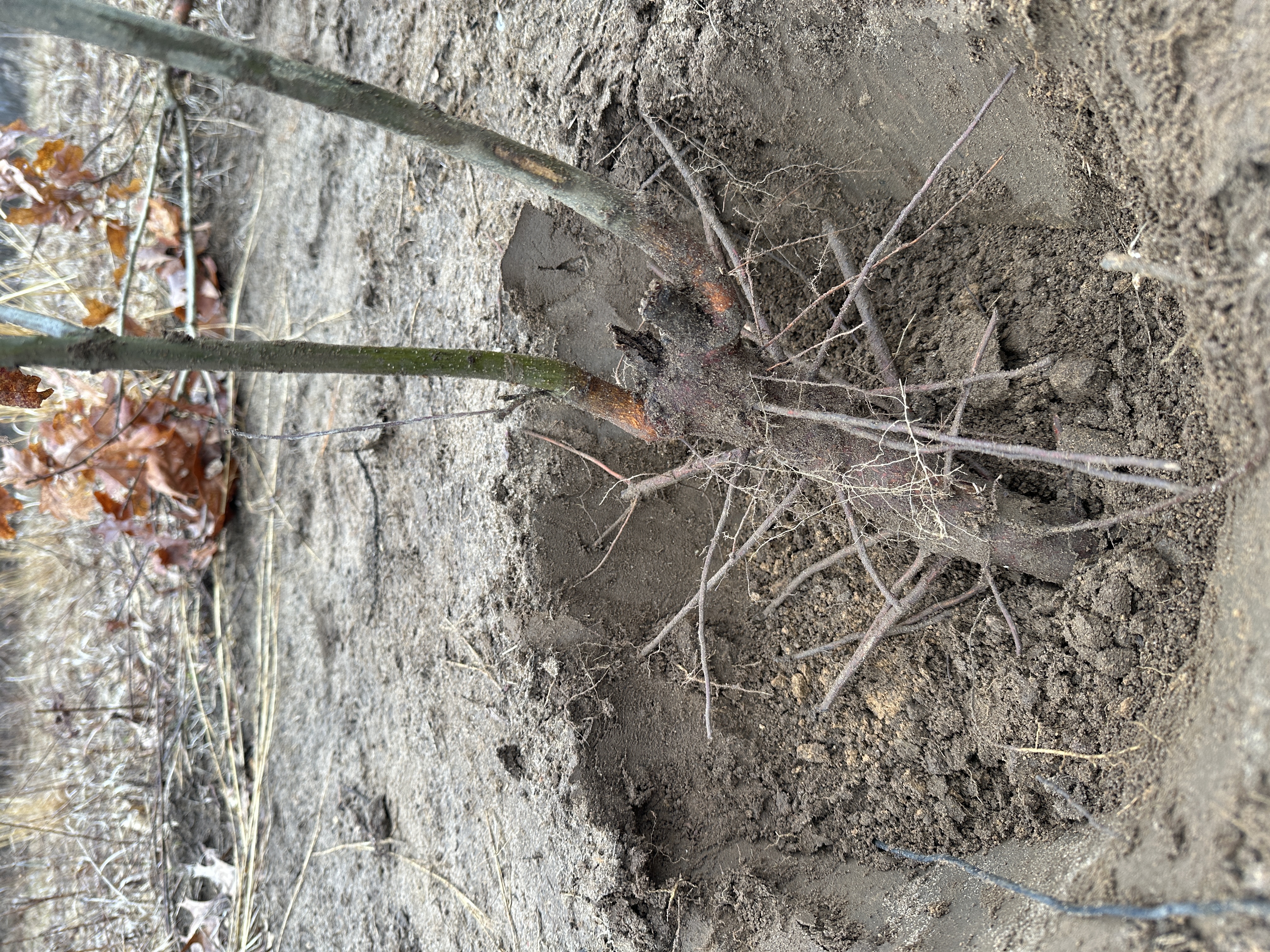
Red Oak (Quercus rubra)
Wild-collected Red Oak (Quercus rubra) from our private Michigan woodland. Completely unstyled — no wire, no cuts, no pot. A blank canvas with years of natural trunk character already built in. Ships bare-root with damp sphagnum.
Excellent natural root system — the root photo speaks for itself. Good radial spread already developing, which gives this tree a head start on nebari development. Strong branching structure with nice trunk caliper.
These trees have spent years growing in open field conditions where wind, competition, and ongoing land management have produced trunks with natural movement, taper, and character that takes years to replicate. Each tree is a unique, one-of-a-kind specimen — what you see in the photos is exactly what you receive.
$95 + shipping · bare-root · US only
Pricing & shipping details coming soon. Contact us for availability.
New stock added regularly.
Want to be notified when new trees are listed? Contact us to join the list.
About Our Pre-Bonsai Stock
Our pre-bonsai oaks are collected from a private Michigan oak woodland where years of natural forces — wind, competition, wildlife browsing, and field management — have shaped trees with authentic character that no nursery can replicate. Each tree is carefully root-pruned a season before collection to encourage fibrous root development, then extracted and shipped bare-root. You receive a tree with the hardest part already done by nature.
Authentic Character
Natural trunk movement, taper, and multi-leader regrowth from years of field conditions. The kind of character serious bonsai practitioners spend a decade trying to create — already built in.
Documented Provenance
Every tree is GPS-tagged and traced to its origin on our property. You know the species, the collection site, and the hardiness zone.
Ready for Development
These trees arrive with established root systems. Plant in a training container, let it recover for one season, then begin shaping. Full bonsai care guides available on our growing guides page.
Questions About a Tree?
Jeff personally responds to all inquiries. If you want more photos, details about a specific specimen, or help choosing — just reach out.